Designing Unique Homes: The Architect's Role
- Harmony Space Architecture

- Sep 11, 2025
- 4 min read
When you decide to build a home that truly reflects your personality and lifestyle, you step into the exciting world of custom home design. This journey is not just about choosing paint colors or fixtures; it’s about creating a space that fits your needs, your dreams, and your environment. As someone deeply involved in this process, I can tell you that the architect’s role is pivotal. They are the bridge between your vision and the reality of a beautifully crafted home.
Why Custom Home Design Matters
Custom home design is more than a trend; it’s a way to ensure your home is uniquely yours. Unlike cookie-cutter houses, a custom design considers your specific preferences, the site’s characteristics, and your lifestyle. This approach results in a home that feels comfortable, functional, and inspiring every day.
When you opt for custom home design, you get to:
Maximize your land’s potential: Architects analyze the site’s topography, sunlight, and views to position your home perfectly.
Tailor spaces to your lifestyle: Whether you need a home office, a yoga studio, or a chef’s kitchen, your home will accommodate your daily routines.
Incorporate sustainable features: Custom designs often include energy-efficient systems and materials that reduce your environmental footprint.
Enhance resale value: Unique, well-designed homes tend to hold their value better in the market.
By focusing on these elements, you create a home that is not only beautiful but also practical and future-proof.

The Architect’s Role in Custom Home Design
An architect is much more than a designer; they are your partner throughout the entire building process. From the initial sketches to the final walkthrough, their expertise shapes your vision into a tangible structure.
Here’s what an architect typically does for your custom home:
Listening and Understanding
The first step is to understand your needs, preferences, and budget. Architects ask questions about how you live, what you love, and what you want to avoid. This conversation sets the foundation for a design that truly fits you.
Site Analysis
Architects study your property’s unique features, including soil, slope, climate, and local regulations. This analysis ensures the design works harmoniously with the environment and complies with zoning laws.
Conceptual Design
Using your input and site data, the architect creates initial sketches and 3D models. This phase is highly collaborative, allowing you to provide feedback and refine the design.
Detailed Drawings and Permitting
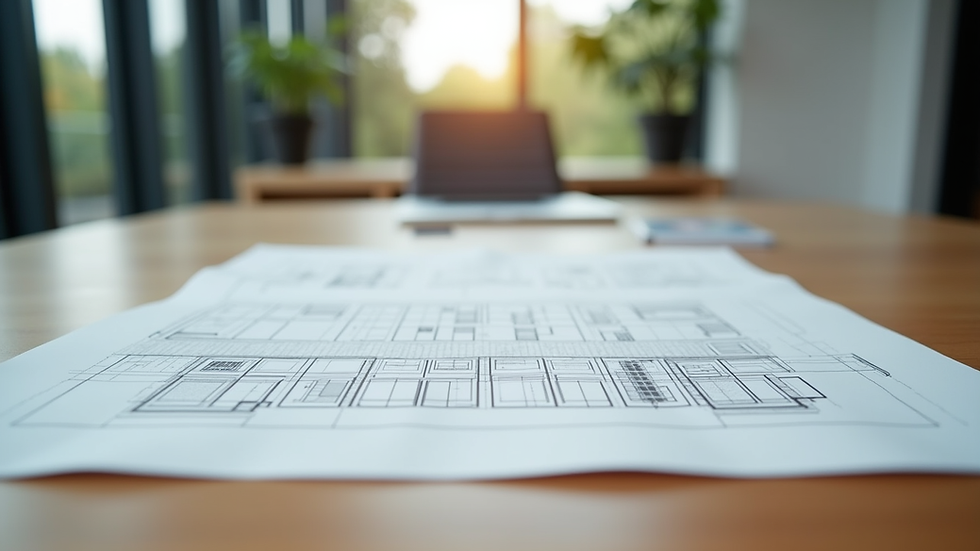
Once the concept is approved, the architect prepares detailed construction drawings and helps navigate the permitting process. This step is crucial to avoid costly delays and ensure your project meets all legal requirements.
Construction Oversight
Many architects continue to work with you during construction, visiting the site to ensure the builder follows the plans and quality standards.
If you want to see an example of how an architect brings modern elegance to life, check out this architect design project. It beautifully illustrates the balance between aesthetics and functionality.

How much do you pay an architect for a design?
Understanding the cost of hiring an architect can help you plan your budget realistically. Architect fees vary widely depending on the project’s complexity, location, and the services provided. Here’s a breakdown of common fee structures:
Percentage of Construction Cost: Typically ranges from 5% to 15%. For example, if your home costs $500,000 to build, architect fees might be between $25,000 and $75,000.
Fixed Fee: A set amount agreed upon before work begins. This is common for smaller or well-defined projects.
Hourly Rate: Some architects charge by the hour, usually between $100 and $250 per hour, depending on experience and location.
Keep in mind that investing in a skilled architect can save you money in the long run by avoiding design errors, optimizing materials, and improving energy efficiency. It’s also wise to clarify what services are included in the fee, such as design, permitting, and construction supervision.
Practical Tips for Working with Your Architect
To get the most out of your collaboration, consider these actionable recommendations:
Be Clear About Your Priorities
Write down your must-haves and nice-to-haves. This clarity helps your architect focus on what matters most to you.
Share Inspiration
Collect photos, magazine clippings, or Pinterest boards that reflect your style. Visual references are invaluable for communication.
Stay Open to Ideas
Architects bring expertise you might not have considered. Be willing to explore new materials, layouts, or technologies.
Communicate Regularly
Schedule consistent check-ins to review progress and address questions. This keeps the project on track and reduces surprises.
Understand the Timeline
Custom home design and construction take time. Patience and planning help you avoid rushing decisions.
By following these tips, you create a positive and productive relationship with your architect, leading to a home you’ll love for years.

Embracing Sustainability in Custom Home Design
Sustainability is no longer optional; it’s a responsibility. Architects today integrate eco-friendly practices into every stage of design. Here’s how you can ensure your custom home is green and efficient:
Passive Design: Orient your home to maximize natural light and ventilation, reducing heating and cooling needs.
Energy-Efficient Materials: Use insulation, windows, and roofing that minimize energy loss.
Renewable Energy: Consider solar panels or geothermal systems to power your home sustainably.
Water Conservation: Install low-flow fixtures and rainwater harvesting systems.
Local and Recycled Materials: Choose materials sourced nearby or recycled to reduce environmental impact.
Working with an architect who understands sustainable design means your home will not only be beautiful but also kind to the planet and your wallet.
Your Next Step Toward a Unique Home
Designing a custom home is a rewarding adventure that starts with the right partnership. An architect guides you through the complexities of design, permits, and construction, making the process smoother and more enjoyable. By investing time and thought into your custom home design, you create a space that supports your lifestyle and reflects your values.
If you’re ready to explore how an expert can transform your ideas into a stunning, functional home, consider reaching out to a trusted architectural firm in the Greater Seattle Area. They can help you navigate every step, from concept to completion, ensuring your dream home becomes a reality.
Remember, your home is more than a building - it’s a sanctuary crafted just for you. Embrace the journey with confidence and creativity.


Comments